Review: Welcome to Our Patch Svg 1 for Fall Projects
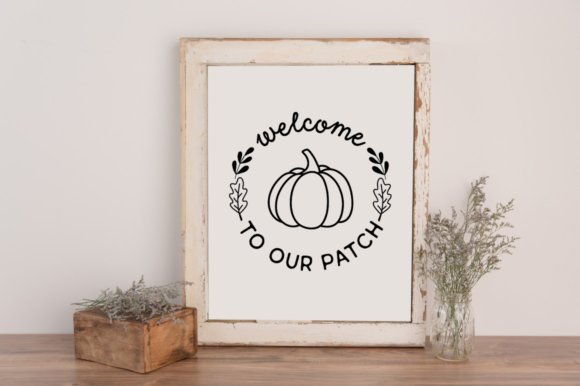
As a designer who spends more time staring at stitch simulations than most people care to admit, I approach new files with a mix of excitement and skepticism. When I first pulled up Welcome to Our Patch Svg 1, my immediate thought wasn't just about the cut lines, but how this graphic would translate into thread. We often forget that a vector path on a screen behaves very differently than a satins stitch or fill stitch on fabric. This design, categorized under Crafts and Graphics, carries a distinct autumnal mood that feels less like a generic seasonal placeholder and more like an invitation to create something cozy.
The visual personality of this file is warm and welcoming. It leans heavily into the "harvest home" aesthetic without becoming cluttered. For those of us running small shops or managing Etsy seller accounts, finding a balance between trendy and timeless is crucial. This design hits that sweet spot. The layout suggests a natural fit for an embroidered patch, which is exactly what the title implies, but its versatility extends far beyond just iron-ons. I immediately envisioned this stitched onto a heavy canvas tote bag design or perhaps as a chest logo on a heather grey sweatshirt embroidery project.
Real-World Application: The Autumn Market Prep
To truly test the viability of Welcome to Our Patch Svg 1, I mentally walked through a real-life scenario that many creative entrepreneurs face right now: preparing inventory for a fall craft fair. Imagine a customer walking up to your booth, looking for a unique personalized gift for a hostess or a teacher. They see a linen tea towel or a structured cap featuring this design. The reaction is usually instantaneous because the theme resonates with the season.
If I were digitizing this myself or purchasing a digital embroidery file based on this graphic, I would be thinking about stitch density. Graphics meant for cutting machines sometimes have details that are too fine for embroidery. In this case, the shapes appear robust enough to handle standard fill patterns. However, if you are planning to use this for baby embroidery on a soft onesie, you must be cautious. A dense design can make stiff fabric uncomfortable against sensitive skin. For a project like this, I would recommend lowering the density slightly and ensuring the underlay is sufficient to prevent the fabric from puckering.
Navigating Fabric Textures and Hoop Constraints
One of the most critical aspects of using any machine embroidery design is understanding where it might fail. While Welcome to Our Patch Svg 1 looks promising, there are specific scenarios where you need to proceed with care. If you are working with textured fabrics like waffle weave or thick terry cloth, the finer elements of the graphic might get lost. The fabric texture can interfere with the clarity of the stitches, making the design look muddy rather than crisp.
Furthermore, consider your hoop size. If you are attempting to place this on a curved surface like a baseball cap, ensure the design fits within the constraints of a cap frame without distorting the proportions. Stretchy fabrics also pose a challenge; without the right stabilizer, the design could warp after the first wash. For a custom apparel line, I always advise testing on scrap fabric first. Check how the thread colors contrast against dark versus light backgrounds. A design that pops on cream linen might disappear entirely on a navy blue sweatshirt unless you adjust the color palette or add a backing layer.
Enhancing Brand Value and Customer Trust
In the world of commercial embroidery, the quality of your finished product directly impacts buyer engagement. Using a well-thought-out graphic like Welcome to Our Patch Svg 1 can elevate the perceived value of a small shop product. When a customer sees clean stitching and a cohesive design, it builds trust. It signals that you care about the details, not just the speed of production. This is particularly important for holiday embroidery items, which are often purchased as gifts. The "giftability" factor is high when the presentation is professional.
For handmade product sellers, consistency is key. If you are building a brand around autumn decor, this graphic serves as a strong anchor. It can be used across various mediums—from pillow covers to kitchen towels—creating a unified collection. This kind of brand consistency helps with recognition. Customers start to associate that specific warm, welcoming vibe with your shop. Whether you are selling physical goods or design assets for others to use, the visual appeal of the source material matters immensely.
Practical Notes for the Serious Maker
Before you commit to a full production run, here are a few practical steps I recommend taking with this specific file:
- Test on Scraps: Always stitch out a sample on the actual fabric you intend to use. What looks good on cotton might behave differently on polyester blends.
- Check Contrast: Review the design in black and white mockups to ensure the shapes are distinct and readable without relying solely on color.
- Verify Licensing: Since this is marketed with commercial use potential, double-check the specific license terms provided by the creator. Ensure you are cleared to sell finished items or digital derivatives.
- Inspect Small Details: Look closely at any tiny lettering or intricate corners. These are the first areas to break down if the digitizing isn't optimized for embroidery.
- Stabilizer Selection: Match your stabilizer to the fabric weight. Heavy designs need tear-away or cut-away support to maintain their shape over time.
Ultimately, Welcome to Our Patch Svg 1 offers a solid foundation for fall-themed projects. It bridges the gap between digital graphics and tactile embroidery projects with ease. However, the success of the finished product relies heavily on your execution. By respecting the limitations of the machine, the nature of the fabric, and the nuances of thread work, you can turn a simple SVG file into a best-selling item. Whether you are decorating your own home or stocking shelves for the holiday rush, this design has the potential to perform beautifully if treated with the right technical care.
Remember, the difference between a hobbyist item and a professional boutique branding piece often comes down to these small preparations. Take the time to review the file specs, confirm the applique design suitability if you plan to layer fabrics, and ensure your running stitch outlines are sharp. With the right approach, this graphic can be a staple in your autumn collection for years to come.