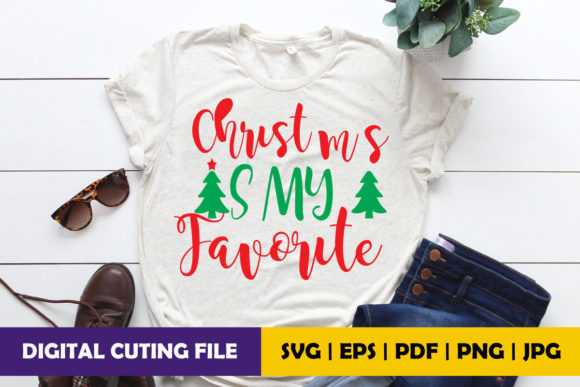
Christmas My Future: A Designer's Take on Holiday Stitching
As someone who spends more time staring at stitch maps than most people spend watching television, I approach every new digital embroidery file with a mix of excitement and skepticism. We've all been there: you buy a design based on a shiny thumbnail, only to find out the stitch density is so high it turns your fabric into cardboard, or the tiny details vanish completely once the needle hits the thread. That is why I took a close look at Christmas My Future before committing it to any client projects or personal holiday gifts. This isn't just about whether it looks cute on a screen; it is about how it performs when the machine starts humming and the real work begins.
First Impressions and Visual Personality
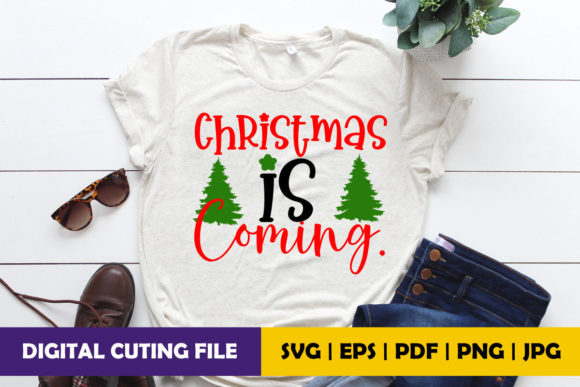
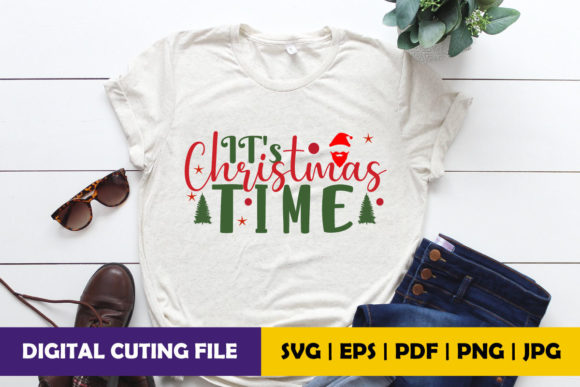
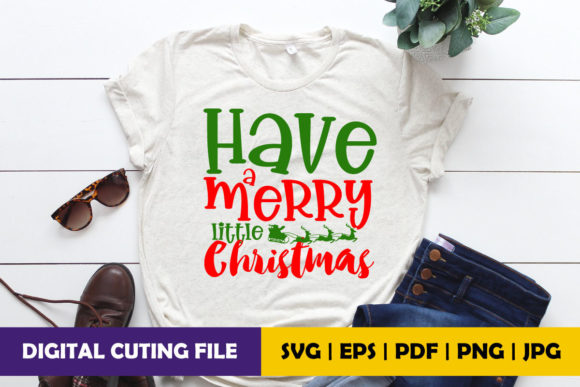
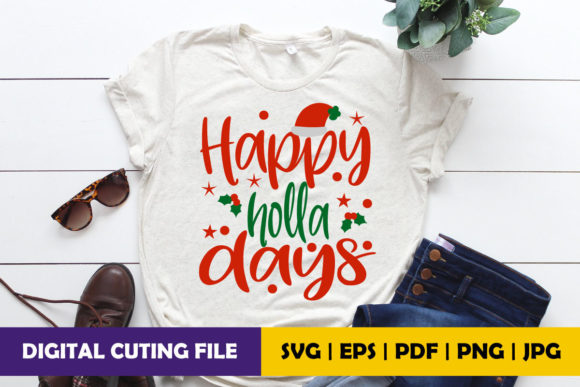
When I first pulled up the preview for Christmas My Future, the immediate feeling was one of nostalgic warmth mixed with modern simplicity. In the world of Crafts and Graphics, trends shift rapidly, but there is a timeless quality to designs that balance whimsy with clarity. This design feels like it belongs in that sweet spot. It doesn't scream for attention with overly complex shading or impossible-to-stitch gradients. Instead, it offers a clean layout that suggests it was built by someone who understands the limitations and strengths of an embroidery machine.
The mood it creates is perfect for the end-of-year rush. It feels hopeful yet festive, making it an ideal candidate for a wide range of embroidery projects. Whether you are aiming for a rustic farmhouse vibe or a sleek, contemporary boutique look, the visual personality of this design is versatile enough to adapt. For a designer, this adaptability is gold. It means I can pitch this to a client wanting a subtle accent on a linen napkin just as easily as I can use it for a bold statement on a heavy canvas tote.
Real-World Application: The Holiday Tote Scenario
To truly evaluate a design, I have to imagine it in a real-life scenario. Let's say I am preparing a batch of custom tote bag designs for a local craft fair. These bags need to withstand grocery runs, carry heavy books, and survive the occasional wash. I envision placing Christmas My Future right in the center of a natural cotton canvas bag. Because the design appears to have solid shapes rather than fragile, isolated running stitches, it should hold up well to friction.
In this context, the design shines as a handmade product that elevates a basic item into a personalized gift. If I were selling these, the clarity of the design would be a major selling point. Customers often worry that embroidery will look "blobby" from a distance. A design like this, with its defined edges, assures the buyer of quality. It signals professionalism. If I were to apply this to a sweatshirt embroidery project, perhaps on the chest pocket of a fleece hoodie, the scale seems appropriate. It wouldn't get lost in the texture of the fleece, nor would it overwhelm the garment.
Navigating Fabric and Hoop Challenges
However, no design is without its constraints. While Christmas My Future looks promising, there are specific situations where caution is required. If you are planning to stitch this onto a textured fabric like a waffle knit or a heavy terrycloth towel, you need to pay close attention to the smaller elements. Textured fabrics can swallow up fine details, turning crisp lines into jagged messes. In such cases, using a cut-away stabilizer is non-negotiable to provide a firm foundation.
Another consideration is the hoop size. Depending on the specific file version you download, you need to ensure the design fits comfortably within your hoop without requiring excessive re-hooping, which can lead to registration errors. If the design includes any tiny lettering or intricate corners, test stitching on a scrap piece of the exact same fabric is crucial. This is especially true for stretchy materials like jersey knits used in baby embroidery. Babies move, and their clothes get washed constantly. A dense fill stitch might crack or pucker if the fabric stretches too much underneath it.
For those interested in cap embroidery, remember that curved surfaces distort designs. If Christmas My Future has a wide horizontal spread, it might look warped on a structured baseball cap. It is often better suited for flat surfaces like aprons, pillow covers, or tea towels where the geometry remains true.
Commercial Viability and Brand Consistency
For the Etsy seller or the owner of a small shop product line, consistency is key. Using a design like Christmas My Future across different items—say, a matching set of kitchen towels and an oven mitt—creates a cohesive brand identity. It tells your customer that you have a curated eye. The design acts as a recognizable asset, much like a logo. When customers see that specific style of holiday graphic, they should immediately think of your brand.
From a value perspective, this type of design enhances the perceived worth of the finished product. A generic, pixelated graphic cheapens an item, but a well-digitized embroidery design adds tactile value. People are willing to pay more for something that feels substantial and crafted with care. Whether you are creating holiday embroidery for family gifts or commercial embroidery for corporate clients, the professional finish of this design helps build trust. It shows that you care about the details, which in turn makes customers feel valued.
Practical Notes for the Serious Maker
Before you start churning out inventory, here are a few practical steps I recommend taking with this specific file. First, always check the thread colors suggested in the file against your actual spool collection. Screen colors can be deceptive; a "forest green" on your monitor might look like a muddy brown when stitched with certain polyester threads. Run a test on a black fabric and a white fabric to see how the contrast holds up. Some designs rely heavily on the background color to define their shape, while others bring their own definition through satin borders.
Secondly, verify the licensing terms. The description mentions these are amazing graphic design digital files for special days, but as a professional, you must confirm if the license allows for unlimited commercial sales of the physical handmade product or if there are restrictions on the number of items you can sell. Never assume; always read the fine print provided by the creator in the Graphic Store.
Finally, consider the stitch density. If the design feels stiff after your test run, try reducing the pull compensation slightly or switching to a lighter weight stabilizer. Conversely, if gaps are showing between stitches on plush fabrics, you may need to add a topping. These small adjustments are what separate a hobbyist result from a professional custom apparel piece.
In conclusion, Christmas My Future strikes a balance that is hard to find: it is festive without being kitschy, and detailed without being fragile. For designers looking to expand their holiday catalog with reliable design assets, this file offers a solid foundation. Just remember to respect the materials you are working with, test thoroughly, and let the quality of your stitching do the talking. When done right, this design has the potential to become a staple in your seasonal collection, bringing joy to anyone who receives a item adorned with it.